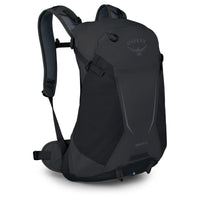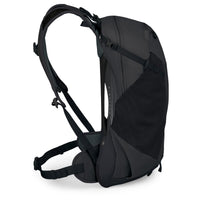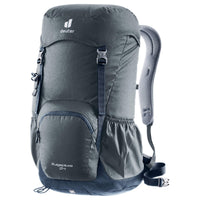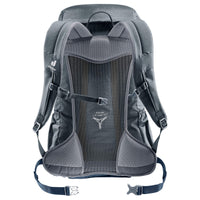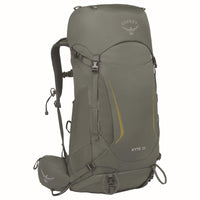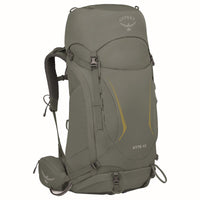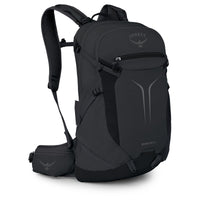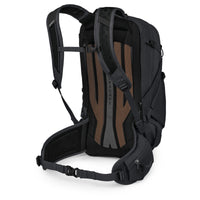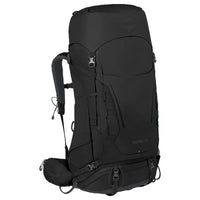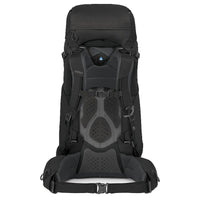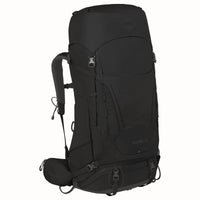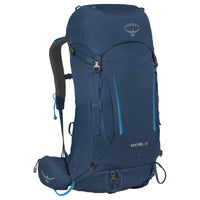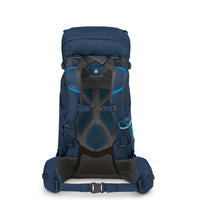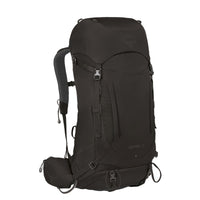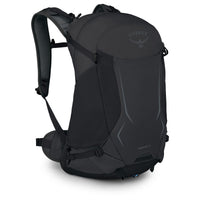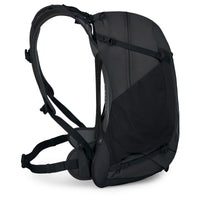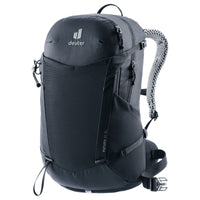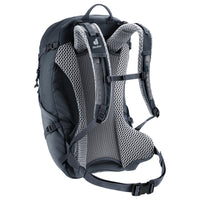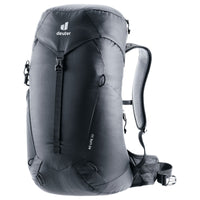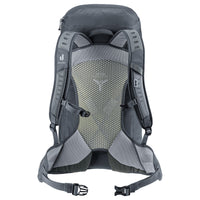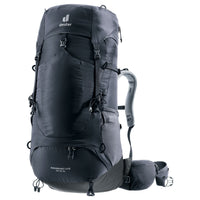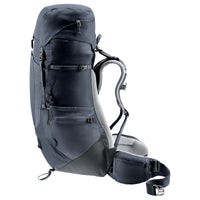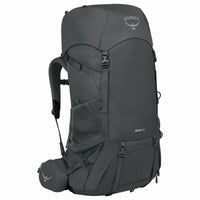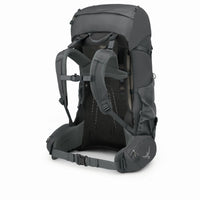


















In short
As a rule of thumb for backpack size: day trips 10 to 30 litres, overnight hikes or high-altitude tours 25 to 35 litres, weekend trips 30 to 50 litres, multi-day trips with camping gear 50 to 70 litres; for the Camino de Santiago, 40 to 50 litres is recommended. Just as important as the volume is the correct back length.
Choosing the Right Hiking Backpack Size: The Best Size for Your Next Outdoor Adventure
Whether you're heading out on a hike, a city break, or a multi-week trekking trip - choosing the right backpack size is key to your comfort on the move. A backpack that's too small will leave you missing essential gear, while one that's too large will load unnecessary weight onto your shoulders. Here's everything you need to know about finding the right backpack size!
Backpack Size Chart in Litres
The ideal size for your backpack depends on several factors:
- Type of activity: day trips, trekking, travel
- Duration of the trip: a day, a weekend, a week or longer
- Personal packing style: minimalist or with extensive gear
Backpacks are usually classified by their volume in litres. The litre capacity helps you gauge how much gear the backpack can hold. However, the intended use and your personal packing style also play a key role.
Here's a rough guide:
| Volume (Litres) | Backpack Type | Best For |
| up to 10 l | Daypacks | Day trips with minimal gear |
| 10-30 l | Hiking backpack, cycling backpack | City breaks, day hikes (cycling, walking) |
| 25-35 l | Hiking backpack, cycling backpack, mountaineering backpack | Longer overnight hikes, high-altitude tours, multi-day cycling trips |
| 30-50 l | small trekking backpack, travel backpack | Weekend trips, light multi-day tours |
| 50-70 l | Trekking backpack, travel backpack | Multi-day trips with camping gear |
How Big Should a Hiking Backpack Be?
For day hikes, 20-30 litres is often enough. This gives you room for snacks, a rain jacket, a water bottle and other hiking essentials. If you're planning a multi-day trip, you should go for at least 40-70 litres. This allows you to also pack clothing, a sleeping bag, food and possibly a tent and cooking equipment. It's important to make a packing list and pack your backpack efficiently.
 |
The Right Backpack for Mountain Hut ToursFor a mountain hut tour, a backpack with a capacity of 30-50 litres is usually sufficient. Since you won't need a tent or cooking equipment when staying in huts, you can pack a bit lighter. Just don't forget a change of clothes and a compact sleeping bag liner.
|
 |
Backpack Sizes for the Camino de SantiagoFor the Camino de Santiago, a backpack volume of 40-50 litres is recommended. You'll need to travel light here, as you'll often be covering many kilometres a day. Choose a backpack with good back ventilation and reinforced shoulder straps.
|
Finding the Right Backpack Size: 5 Tips
For certain types of backpacks, getting the right fit is especially important. While daypacks under 30 litres are usually packed light enough that weight distribution on the hips doesn't matter much, an ill-fitting hiking backpack can put excessive strain on certain areas of your body during your trips.
Measuring Your Back Length for a Hiking Backpack: How to Get It Right!
With hiking backpacks, having the correct back length is crucial: if the backpack is too short, the weight presses uncomfortably on your shoulders. A backpack that's too long pulls the weight of the straps downwards, making you lose your balance more easily. So when buying, choose a backpack that matches your height.
To do this, you should measure your back length and choose your backpack accordingly:
- use the C7 vertebra to find your first measuring point: tilt your head slightly forward - below your neck you can now feel the C7 vertebra, as it clearly protrudes.
- Now place your hands on your hips and feel where your side hip bones end.
- The second measuring point is at the level of the top of your hip bones.
- Place a flexible tape measure along your spine and measure the distance between these two points.
The Right Backpack for Tall People
For tall people, we recommend a backpack with an extra-long back length. Not every manufacturer offers these backpacks. However, some manufacturers have developed special systems that allow you to adjust the back length. Measure your back length carefully to find the ideal backpack for your height.
Hiking Backpacks for Tall People
 |
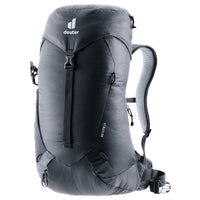
The Futura Series by Deuter Lightweight, comfortable and breathable (from approx. 1.4 kg)
|
 |
The Pyrox Series by Tatonka Rugged, spacious and fully adjustable (from approx. 1.9 kg)
|
FAQ - Frequently Asked Questions
What backpack size do I need for 1 week?
A backpack with 50-70 litres is suitable for a one-week trip. This gives you enough space for the essentials, such as clothing, toiletries and possibly sleeping gear. Plan carefully to avoid taking unnecessary items!
What backpack size do I need for 2 weeks?
For a two-week trip, it depends on whether you'll have the chance to do laundry along the way. 60-80 litres is recommended if you won't have access to laundry facilities. If you will have access to laundry, you could get away with 50-60 litres.
What backpack size do I need for 3 weeks?
70+ litres makes sense here, especially for trekking trips without opportunities to restock supplies. Make sure to organise your backpack well and leave room in the top lid for frequently needed items (e.g. phone or rain cover).
What does size "misc" mean for a backpack?
"Misc" stands for "miscellaneous" and is sometimes used to describe a one-size-fits-all option or a backpack variant without a fixed litre capacity. These backpacks are often flexibly expandable or designed for a specific purpose.
Your Next Adventure Awaits!
Whether you're heading out on a short day hike, exploring new countries as a backpacker, or planning a long trekking trip - the right backpack makes life on the move so much easier. Use the litre capacity as a guide, but don't forget to also match the backpack to your body and the activities you have planned!